EN
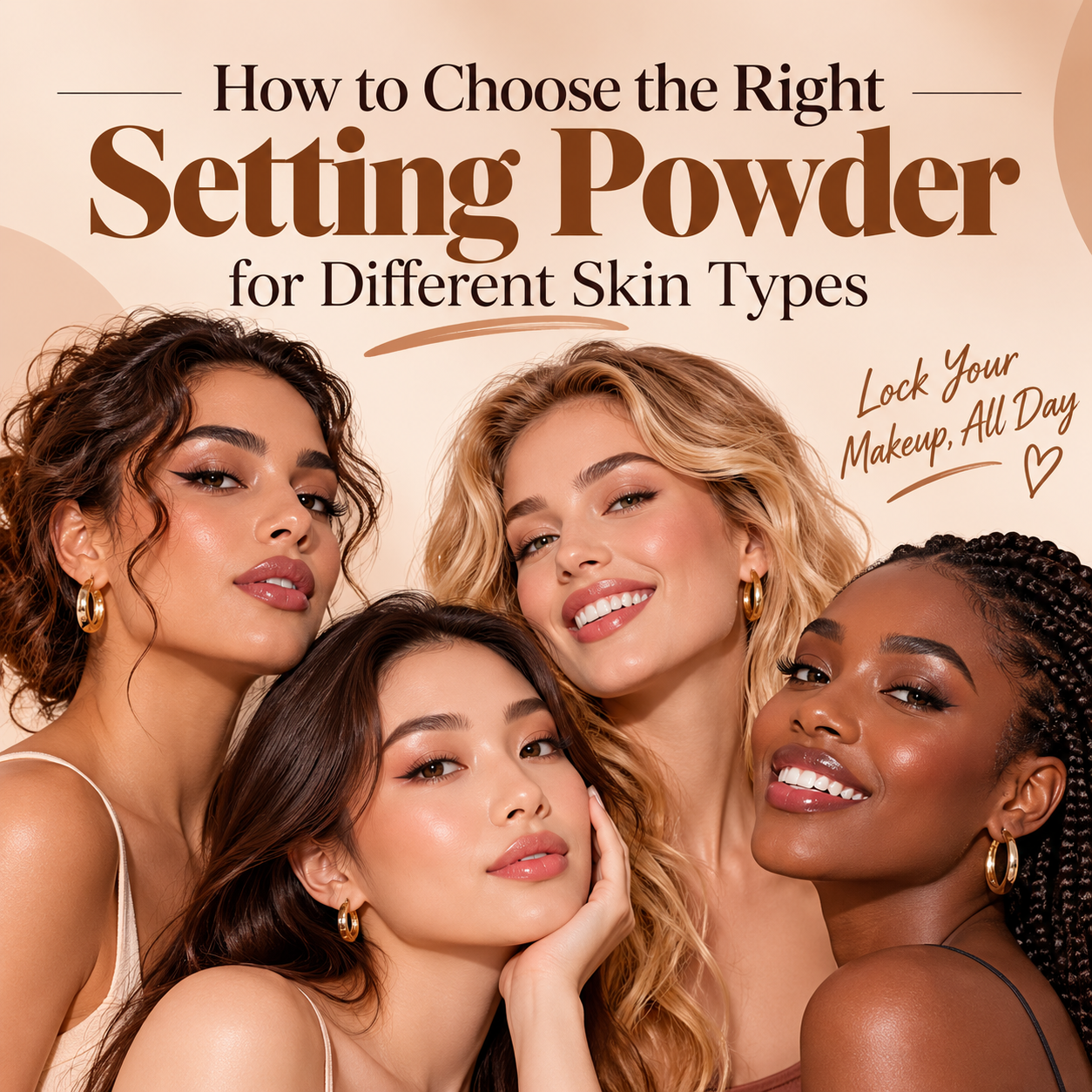
Setting powder is an essential step in many makeup routines. It helps set foundation and concealer, reduce unwanted shine, and create a smoother-looking makeup finish. However, choosing the right setting powder is not simply about picking the most popular product. Different skin types, skin tones, and makeup preferences require different powder formulas.
Whether you have oily, dry, combination, or normal skin, understanding the differences between loose powder and pressed powder can help you achieve a more comfortable and natural-looking result.
For beauty retailers, makeup brands, and wholesale buyers, offering suitable powder options for different customer needs is also an important part of building a competitive makeup collection.
1. Understand the Different Types of Setting Powder
Before choosing a setting powder, it is helpful to understand the main types available.
Loose Setting Powder
Loose powder has a fine, lightweight texture and is commonly used to set liquid foundation and concealer.
It is suitable for:
Setting makeup across larger areas of the face
Lightly reducing shine
Creating a soft, natural-looking finish
Baking selected areas when a more defined makeup look is desired
Loose powder is often preferred by professional makeup artists because it can be applied in thin layers and blended easily.
Pressed Setting Powder
Pressed powder is compacted into a solid form, making it convenient for everyday use and touch-ups.
It is suitable for:
Carrying in a handbag or makeup kit
Touching up shine during the day
Setting makeup in selected areas
Creating a neat and polished makeup finish
For customers who travel frequently or need convenient makeup products, pressed powder is a practical option.
Translucent Powder vs. Tinted Powder
Translucent powder is designed to set makeup without adding much visible color, while tinted powder provides additional coverage or helps even out the appearance of skin tone.
However, translucent powder does not always look completely invisible on every complexion. Choosing the right formula and applying it in a thin layer are especially important for deeper skin tones.
2. Choose Setting Powder According to Your Skin Type
The best setting powder should work with your skin rather than make it feel uncomfortable.
For Oily Skin
Oily skin often produces excess sebum, especially around the forehead, nose, and chin.
A lightweight powder with an oil-controlling finish may help reduce the appearance of shine.
Application tips:
Focus on the T-zone instead of applying too much powder everywhere.
Use a powder puff to press a small amount onto areas that become oily.
Avoid repeatedly layering powder over accumulated oil without first removing excess shine.
A natural matte finish can help makeup look more polished without making the complexion appear overly flat.
For Dry Skin
Dry skin may become flaky or look cakey when too much powder is applied.
To achieve a more comfortable finish:
Moisturize your skin before applying foundation.
Choose a finely milled powder with a lightweight feel.
Apply a very small amount only where makeup needs setting.
Avoid excessive baking or heavy powder layers.
For dry skin, the goal is to keep makeup in place while preserving a fresh, natural appearance.
For Combination Skin
Combination skin usually has an oilier T-zone and drier cheeks.
Instead of applying the same amount of powder across the entire face, try a targeted approach:
Apply more powder around the forehead, nose, and chin.
Use less powder on the cheeks.
Choose a lightweight formula that does not feel heavy.
Carry a compact powder for occasional touch-ups.
This technique helps balance different areas of the face.
For Normal Skin
Normal skin generally offers more flexibility when choosing powder.
You can select loose or pressed powder according to your preferred finish and daily routine. A light application is usually enough to set foundation and concealer without changing the overall look of your makeup.
3. How to Choose the Right Powder for Different Skin Tones
Skin tone is another important factor, especially when choosing translucent or tinted powders.
Fair Skin: Light translucent powders or soft ivory-toned powders can help set makeup without making the complexion look noticeably darker.
Medium Skin: Neutral or light beige shades may provide a more natural result, especially when additional coverage is desired.
Tan and Deep Skin: Choose powders that blend naturally with deeper complexions. Some white or overly pale translucent powders may leave an ashy appearance when applied too heavily or photographed with flash.
For makeup brands and wholesalers, offering multiple powder shades can help serve a wider customer base across different regions.
4. Loose Powder vs. Pressed Powder: Which One Should You Choose?
Both products can set makeup, but they serve slightly different needs.
| Feature | Loose Powder | Pressed Powder |
|---|---|---|
| Texture | Fine and loose | Compact and solid |
| Application | Brush or powder puff | Puff or brush |
| Best for | Setting makeup at home or professionally | Everyday use and touch-ups |
| Portability | Less convenient | Easy to carry |
| Coverage | Usually light, depending on formula | Varies by product |
| Convenience | Better for larger-area application | Better for quick application |
Neither option is automatically better. The right choice depends on the customer's skin type, preferred finish, and lifestyle.
For a more complete face makeup collection, explore the HEREIAM Face Makeup Collection.
5. How to Apply Setting Powder for a Smooth Makeup Finish
Even a good powder can look unnatural if it is applied incorrectly. Follow these simple steps:
Step 1: Prepare Your Skin
Start with skincare and allow your moisturizer or primer to settle before applying foundation.
Step 2: Apply Foundation and Concealer
Blend your base makeup evenly. Avoid applying excessive foundation, as too many layers can make the final result look heavy.
Step 3: Remove Excess Product
Before powdering, check for creases around the nose, under the eyes, and around the mouth. Gently smooth out any accumulated foundation or concealer.
Step 4: Apply a Thin Layer of Powder
Use a brush for a light, diffused finish or a powder puff for more targeted application. Press gently rather than rubbing aggressively.
Step 5: Check the Final Finish
Look at your makeup in natural light. Add a little more powder only where necessary.
For a balanced base makeup routine, pair your setting powder with a suitable foundation. You can explore the HEREIAM Oil-Free Liquid Foundation as another option for a complete face makeup collection.
6. Common Setting Powder Mistakes to Avoid
A few small mistakes can affect the final appearance of your makeup.
Using too much powder: Heavy application can make skin look dry, textured, or cakey.
Choosing a shade that is too light: This may create an unnatural or ashy appearance, particularly on deeper skin tones.
Applying powder over excess oil: Remove or gently blot excess oil before touching up.
Ignoring dry areas: Powdering flaky areas too heavily can make skin texture more noticeable.
Using the same technique everywhere: Different facial areas may need different amounts of powder.
Remember that setting powder should support your base makeup, not completely change its natural appearance.
7. Why Pressed Powder Is a Practical Choice for Makeup Brands and Wholesale Buyers
For cosmetics retailers, distributors, and beauty brands, pressed powder is a versatile category with strong everyday-use potential.
When selecting a pressed powder product for your collection, consider:
Packaging design: Compact packaging with a mirror can improve convenience for customers.
Application accessories: A suitable powder puff can make application easier.
Texture and finish: Consider the needs of different skin types and makeup preferences.
Shade selection: A broader shade range can help serve customers with different complexions.
Customization options: Packaging, logo, color, and other product details can be adapted to suit different brand identities.
For example, the IMAGIC HD Pressed Powder features a baked powder design, a Rubycell puff, a mirror, and a magnetic closure. Its UV electroplated case gives the compact a distinctive appearance, while its wet-and-dry application design offers additional flexibility.
For wholesale buyers, HEREIAM Cosmetics provides IMAGIC brand stock products as well as ODM/OEM customization services, helping businesses develop makeup collections for different market needs.
Visit HEREIAM Cosmetics to explore wholesale makeup solutions.
Conclusion
Choosing the right setting powder depends on several factors, including skin type, skin tone, preferred makeup finish, and daily habits.
Loose powder is a popular choice for setting makeup across larger areas, while pressed powder offers convenience and portability. Oily skin may benefit from a more matte finish, while dry skin generally needs a lighter application. For deeper complexions, selecting a suitable shade is important to avoid an ashy appearance.
For makeup brands and wholesale buyers, offering practical powder options with suitable packaging, textures, and shade selections can help create a more complete face makeup collection.
Looking for setting powder and other face makeup products for your wholesale business? Explore HEREIAM Cosmetics for IMAGIC stock products and ODM/OEM customization solutions.
Table of Contents
- 1. Understand the Different Types of Setting Powder
- 2. Choose Setting Powder According to Your Skin Type
- 3. How to Choose the Right Powder for Different Skin Tones
- 4. Loose Powder vs. Pressed Powder: Which One Should You Choose?
- 5. How to Apply Setting Powder for a Smooth Makeup Finish
- 6. Common Setting Powder Mistakes to Avoid
- 7. Why Pressed Powder Is a Practical Choice for Makeup Brands and Wholesale Buyers
- Conclusion