EN
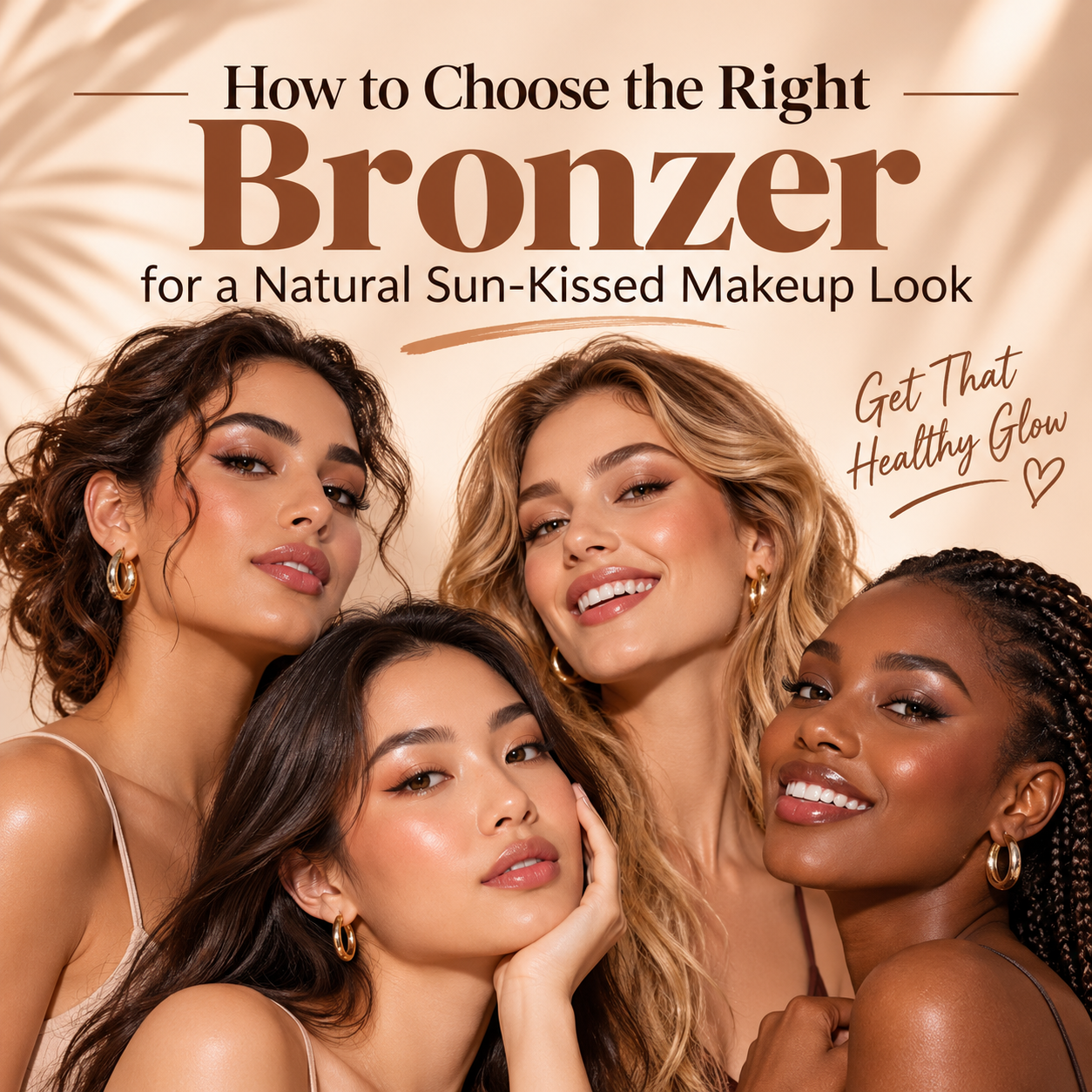
A warm, sun-kissed makeup look can add a healthy-looking glow and dimension to the face without requiring a dramatic makeup style. One product that helps create this effect is bronzer.
Whether you prefer a soft everyday look or a more defined summer makeup style, the right bronzer can add warmth to your complexion and bring the entire makeup look together.
However, choosing a bronzer is not always easy. Different skin tones, undertones, formulas, and finishes can affect how a bronzer looks on the skin.
In this guide, we will explain how to choose the right bronzer, how it differs from contour, and how to apply it for different makeup styles. We will also cover what beauty retailers and wholesale buyers should consider when selecting bronzer products.
1. What Is Bronzer and What Does It Do?
Bronzer is a complexion makeup product designed to add warmth and a sun-kissed appearance to the skin.
It is commonly applied to areas where sunlight naturally hits the face, such as:
The forehead and temples
The upper cheekbones
The bridge of the nose
The jawline, depending on the desired look
Bronzer can help create a warmer-looking complexion and add dimension without changing the overall skin tone dramatically.
It is available in different formulas and finishes, including powder, cream, liquid, matte, and shimmer.
For everyday makeup, a softly blended bronzer can create a natural-looking warmth. For evening or summer makeup, a slightly deeper or more luminous shade can add extra definition.
2. Bronzer vs. Contour: What's the Difference?
Bronzer and contour are sometimes used together, but they serve different purposes.
Bronzer adds warmth, while contour creates the appearance of shadows and definition.
| Feature | Bronzer | Contour |
|---|---|---|
| Main purpose | Add warmth and a sun-kissed effect | Define facial structure |
| Typical color | Warm brown, golden brown, or neutral warm shades | Neutral or cooler brown shades |
| Common placement | Forehead, temples, upper cheeks | Under cheekbones, jawline, sides of nose |
| Typical finish | Matte, satin, or shimmer | Usually matte |
| Blending style | Soft and diffused | More targeted and structured |
You do not need both products for every makeup look. A bronzer alone can be enough for a simple, healthy-looking finish, while combining bronzer and contour can create more dimension.
3. How to Choose Bronzer for Different Skin Tones
Choosing a bronzer that complements your skin tone is important. A shade that is too dark or too orange may look unnatural, while a suitable shade can blend more seamlessly.
Fair Skin Tones
Fair skin usually looks best with lighter bronzer shades that add subtle warmth.
Consider:
Light beige brown
Soft honey
Light neutral brown
Muted peach brown
Avoid choosing a shade that is dramatically darker than your natural complexion. A gradual, softly blended application often looks more natural.
Light to Medium Skin Tones
Light to medium skin tones can often work with a wider range of bronzer shades.
Popular choices include:
Warm caramel
Golden brown
Soft terracotta
Medium honey brown
These shades can add warmth to the face while remaining suitable for everyday makeup.
Medium to Tan Skin Tones
For medium and tan skin tones, richer bronzer shades can create a more noticeable sun-kissed effect.
Consider:
Warm bronze
Rich caramel
Terracotta brown
Copper brown
The goal is to complement the skin rather than create an overly dark or orange appearance.
Deep Skin Tones
Deep skin tones can look beautiful with bronzers that have enough depth and color payoff.
Consider:
Deep chocolate brown
Rich bronze
Warm mahogany
Red-brown
Deep copper
A bronzer with suitable pigmentation can add warmth and dimension while remaining visible on deeper complexions.
Remember: Skin undertone matters as well. Warm undertones may pair well with golden and caramel bronzers, while neutral undertones can work with balanced brown shades. Customers with cooler undertones may prefer less orange, more neutral bronzer colors.
4. How to Choose Between Matte and Shimmer Bronzer
Bronzer finishes can change the overall appearance of a makeup look.
Matte Bronzer
Matte bronzer has little to no visible shimmer.
It is suitable for:
Natural everyday makeup
Soft sun-kissed looks
Adding warmth without extra shine
Layering with highlighter
Customers who prefer a more understated finish
Matte bronzer is also a versatile option for different makeup styles.
Shimmer Bronzer
Shimmer bronzer contains light-reflecting particles that add a luminous appearance.
It can be used to:
Add a radiant finish to the cheeks
Create a glowing summer makeup look
Enhance the appearance of warmth
Add dimension to evening makeup
Which One Should You Choose?
If you prefer a natural and understated appearance, matte bronzer is a practical choice.
If you enjoy a radiant, glowing finish, shimmer bronzer may be more suitable.
For retailers, offering both finishes can help meet different customer preferences.
5. Powder, Cream, or Liquid Bronzer: Which Formula Is Better?
Bronzer formulas offer different application experiences. The best option depends on skin type, makeup habits, and preferred finish.
Powder Bronzer
Powder bronzer is one of the most common options.
Advantages include:
Easy to apply and blend
Convenient for everyday use
Suitable for layering over foundation and setting powder
Available in matte and shimmer finishes
Powder bronzer is a practical choice for beginners and customers who prefer traditional powder makeup.
Cream Bronzer
Cream bronzer usually has a smooth, blendable texture.
It can be applied with fingers, a makeup sponge, or a brush, depending on the formula.
Cream formulas are popular with customers who prefer a softer, more skin-like makeup finish.
Liquid Bronzer
Liquid bronzer can offer a lightweight, blendable application.
Depending on the formula, it may be mixed with foundation or applied to selected areas of the face.
Users should follow the product instructions and start with a small amount to avoid applying too much.
6. How to Apply Bronzer for a Natural Finish
Correct placement and blending are important when applying bronzer.
Follow these simple steps:
Step 1 — Choose a Suitable Shade
Select a bronzer that complements your skin tone and undertone. For a natural result, avoid choosing a shade that is too dark.
Step 2 — Use the Right Tool
For powder bronzer, a soft, fluffy brush can help distribute color evenly. A smaller angled brush can provide more precise application.
For cream or liquid bronzer, use a suitable brush or makeup sponge.
Step 3 — Apply to the High Points of the Face
Lightly apply bronzer to the forehead, temples, and upper cheek areas.
You can also add a small amount to the nose if it suits your desired makeup style.
Step 4 — Blend Carefully
Blend the edges using soft, circular or sweeping motions. Avoid leaving visible lines or concentrated patches of color.
Step 5 — Build the Color Gradually
Start with a small amount and add more only when needed. Gradual layering makes it easier to control the final result.
7. Common Bronzer Mistakes to Avoid
Even a good bronzer can look unnatural if it is applied incorrectly.
Here are some common mistakes:
Choosing a Shade That Is Too Dark
A bronzer should complement the complexion rather than create an obvious dark patch.
Choose a shade that provides a suitable level of warmth.
Using Too Much Product
Applying too much bronzer at once can make the makeup look heavy.
Start with a small amount and build the color gradually.
Applying Bronzer Like Contour
Bronzer is primarily used to add warmth, not create deep facial shadows.
Avoid placing it too heavily under the cheekbones if you want a soft sun-kissed effect.
Not Blending the Edges
Visible lines can make bronzer look unnatural.
Use a clean brush or sponge to soften the edges and blend the color into the surrounding makeup.
Ignoring the Neck and Hairline
A noticeable difference between the face and neck can affect the overall appearance.
Blend bronzer naturally around the hairline and jawline when appropriate.
8. How to Pair Bronzer with Blush and Highlighter
Bronzer works well with other face makeup products.
Using bronzer, blush, and highlighter together can create a more balanced and dimensional look.
Bronzer + Blush
Apply bronzer first to add warmth, then use blush on the cheeks to introduce color.
For a natural look, choose blush shades that complement the bronzer rather than compete with it.
Popular combinations include:
Caramel bronzer with peach blush
Warm bronze with coral blush
Terracotta bronzer with rose blush
Neutral brown bronzer with soft pink blush
Bronzer + Highlighter
Bronzer adds warmth, while highlighter reflects light.
Apply bronzer to the areas where you want warmth and use highlighter on selected high points, such as the cheekbones and nose bridge.
Avoid applying too much of both products at once. A balanced combination usually creates a more refined finish.
Explore the HEREIAM Face Makeup Collection for more face makeup options.
9. What Should Wholesale Buyers Consider When Selecting Bronzer?
For beauty distributors, retailers, wholesalers, and cosmetics brands, selecting bronzer products requires more than choosing attractive shades.
Consider the following factors before placing a bulk order.
Shade Range
A useful bronzer collection should consider different skin depths and undertones.
Offering a range of light, medium, and deep shades can help retailers serve a broader customer base.
Formula and Finish
Consider whether your target customers prefer powder, cream, or liquid bronzers.
Matte and shimmer options can also help create a more complete product assortment.
Product Performance
Evaluate:
Color payoff
Blendability
Texture
Application control
Finish
Packaging quality
Request samples and test the product before confirming a large order.
Packaging and Branding
Packaging plays an important role in retail presentation.
Depending on the supplier's capabilities, customization may include:
Brand logo
Compact design
Product color and layout
Outer packaging
Customized product combinations
Target Market
Different markets may have different preferences for bronzer shades, finishes, and price points.
For wholesale buyers serving Southeast Asia, the Middle East, Africa, Europe, or other regions, it is important to consider local customer preferences instead of assuming one bronzer range will suit every market.
10. Explore Face Makeup and Wholesale Opportunities with HEREIAM Cosmetics
Bronzer is one part of a complete face makeup collection. Retailers can create a more versatile assortment by combining it with foundation, concealer, blush, contour, highlighter, and setting products.
HEREIAM Cosmetics provides IMAGIC brand stock products for wholesale buyers, as well as ODM/OEM customization services for businesses developing their own cosmetics brands.
Our product range covers face makeup, lip makeup, eye makeup, and other beauty essentials.
Whether you are a beauty distributor, retailer, online seller, or cosmetics brand owner, visit HEREIAM Cosmetics to explore available products and discuss wholesale or customization opportunities.
Final Thoughts
The right bronzer can add warmth, dimension, and a natural sun-kissed appearance to your makeup look.
When choosing one, consider your skin tone, undertone, preferred formula, and desired finish. Remember that bronzer and contour have different purposes, and a well-blended application is often more important than using a large amount of product.
For beauty retailers and wholesale buyers, offering suitable shade ranges and different formulas can help meet the needs of a wider customer base.
A good bronzer collection should make it easier for customers to find a shade and finish that complement their personal style.
Table of Contents
- 1. What Is Bronzer and What Does It Do?
- 2. Bronzer vs. Contour: What's the Difference?
- 3. How to Choose Bronzer for Different Skin Tones
- 4. How to Choose Between Matte and Shimmer Bronzer
- 5. Powder, Cream, or Liquid Bronzer: Which Formula Is Better?
- 6. How to Apply Bronzer for a Natural Finish
- 7. Common Bronzer Mistakes to Avoid
- 8. How to Pair Bronzer with Blush and Highlighter
- 9. What Should Wholesale Buyers Consider When Selecting Bronzer?
- 10. Explore Face Makeup and Wholesale Opportunities with HEREIAM Cosmetics
- Final Thoughts