EN
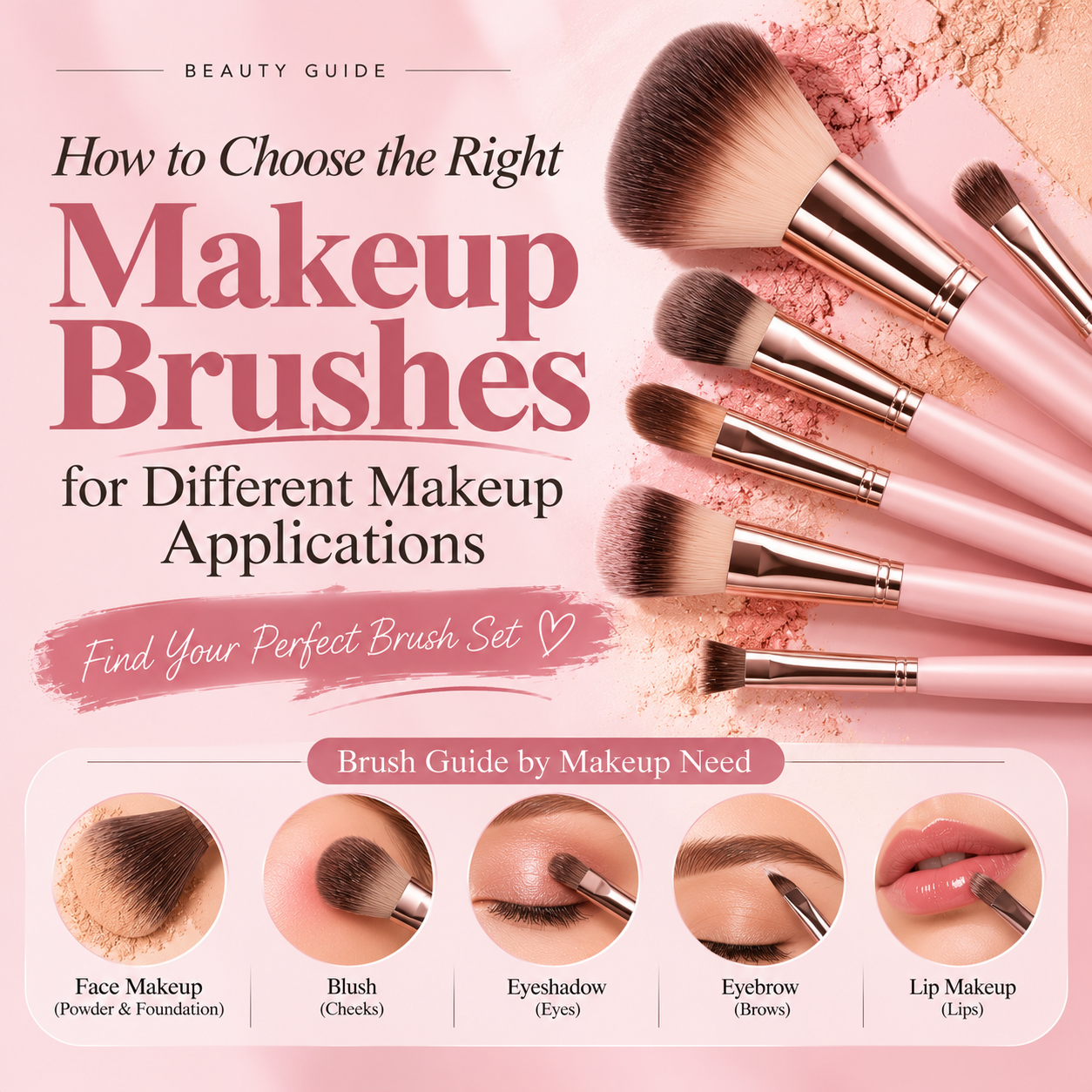
The right makeup brushes can make a noticeable difference in how makeup looks and feels. Whether you are creating a natural everyday look, a flawless foundation base, or detailed eye makeup, using the appropriate brush helps improve product application, blending, and overall finish.
For beauty retailers, makeup distributors, and professional makeup brands, understanding different makeup brush types is also important when selecting products for a makeup collection. A well-designed brush set can meet different customer needs and create more opportunities in the beauty market.
In this guide, we will explore the most common makeup brushes, their functions, and how to choose the right brushes for different makeup applications.
1. Why Are Makeup Brushes Important?
Makeup brushes are more than simple beauty accessories. They help distribute makeup evenly, control product application, and create different finishes.
Here are some key benefits of using the right makeup brushes:
More even application: Brushes help spread foundation, powder, blush, and eyeshadow more evenly.
Better blending: The right brush can soften harsh lines and create seamless transitions between colors.
More precise control: Smaller brushes are useful for detailed work around the eyes, nose, and lips.
Different makeup finishes: Brush shape and bristle density can influence whether the result looks natural, soft, or more full coverage.
Choosing suitable brushes can make both beginner and professional makeup routines easier.
2. Different Types of Makeup Brushes and Their Functions
Not every makeup brush serves the same purpose. Understanding their shapes and functions helps customers choose the right tools.
Foundation Brush
Foundation brushes are designed to apply liquid, cream, or stick foundation. Flat foundation brushes are useful for controlled application, while dense, rounded brushes can help blend foundation into the skin.
They are especially useful for customers who prefer a more polished and even base.
Powder Brush
Powder brushes usually feature a large, fluffy head that distributes loose or pressed powder over the face.
They work well for:
Setting foundation with loose powder
Applying pressed powder
Reducing excess shine
Creating a soft, natural finish
For customers who prefer lightweight makeup, a fluffy powder brush is a practical everyday tool.
Blush Brush
Blush brushes are commonly angled or rounded to help apply color to the cheeks.
A smaller, tapered brush provides more precise placement, while a fluffy rounded brush creates a softer, diffused effect.
The right blush brush can help prevent concentrated patches of color.
Contour Brush
Contour brushes often have angled or tapered shapes that follow the natural structure of the face.
They can be used to apply contour products along the cheekbones, jawline, and sides of the nose. A brush with a suitable size and density helps create a more controlled result.
Highlighter Brush
Highlighter brushes are usually smaller and softer than powder brushes. Fan-shaped and tapered brushes are popular options.
They help apply highlighter to the cheekbones, nose bridge, brow bone, and other areas where customers want a subtle glow.
Eyeshadow Brushes
Eyeshadow application often requires more than one brush.
Common types include:
Flat shader brush: Packs eyeshadow onto the eyelid.
Blending brush: Softens edges and blends different shades.
Pencil brush: Adds detail to the outer corner and lower lash line.
Angled brush: Helps create precise lines and define the eyes.
A combination of these brushes makes it easier to create everyday, smoky, and colorful eye makeup looks.
Angled Eyebrow Brush
An angled eyebrow brush is designed for applying brow powder, pomade, or other eyebrow products.
Its slanted shape helps create fine strokes and define the natural eyebrow shape. It can also be used for precise eyeliner application, depending on the brush design.
3. How to Choose Makeup Brushes for Different Makeup Products
Different formulas require different brush characteristics. Choosing the right combination can improve application and reduce product waste.
| Makeup Product | Recommended Brush | Main Purpose |
|---|---|---|
| Liquid foundation | Flat or dense rounded brush | Even base application |
| Loose powder | Large fluffy brush | Lightweight setting |
| Pressed powder | Medium-density powder brush | Controlled coverage |
| Blush | Rounded or angled brush | Soft cheek color |
| Contour | Angled or tapered brush | Facial definition |
| Highlighter | Fan or tapered brush | Precise glow |
| Eyeshadow | Shader and blending brushes | Color application and blending |
| Eyebrow powder | Small angled brush | Precise brow definition |
For cream and liquid formulas, customers often prefer brushes that provide controlled application and blend the product smoothly. Powder formulas usually work well with soft brushes that distribute product without applying too much at once.
4. How to Choose the Right Brush Bristles
Brush bristles are another important factor when selecting makeup tools.
Synthetic Bristles
Synthetic bristles are commonly made from manufactured fibers. They are often suitable for liquid, cream, and powder makeup products.
Potential advantages include:
Easy to clean with suitable brush cleansers
Suitable for many liquid and cream formulas
Available in different shapes and densities
Consistent appearance and texture when manufactured well
For beauty brands and wholesale buyers, synthetic brushes offer flexibility in product design and set combinations.
Natural Bristles
Natural bristles are traditionally used in some powder makeup brushes. Their texture and performance can vary depending on the material and manufacturing process.
Buyers should consider material sourcing, softness, durability, cleaning requirements, and applicable market regulations when selecting these products.
What Should You Look for in Brush Quality?
Regardless of bristle type, pay attention to:
Softness and comfort against the skin
Bristle shedding during use
Secure attachment between the brush head and handle
Consistent shape and density
Smooth blending performance
Easy maintenance
A brush should feel comfortable and remain stable during normal use.
5. How to Choose Makeup Brushes for Different Skill Levels
Customer needs can vary depending on their makeup experience.
For Makeup Beginners
Beginners usually do not need a large professional brush collection. A basic set may include:
One foundation brush
One powder brush
One blush brush
One eyeshadow shader brush
One blending brush
One angled eyebrow brush
A compact set is easier to understand, store, and use.
For Everyday Makeup Users
Customers who wear makeup regularly may prefer versatile brushes that work with multiple products.
A medium-sized brush set can cover foundation, powder, blush, contour, and basic eye makeup without requiring too many individual tools.
For Professional Makeup Artists
Professional users may need a wider selection of brush shapes, sizes, and densities.
Their collections often include several foundation brushes, detail brushes, blending brushes, and specialized tools for different makeup techniques.
For retailers, offering different brush set sizes can help serve beginners, everyday users, and professional customers at the same time.
6. How to Clean and Maintain Makeup Brushes
Regular brush cleaning helps remove makeup residue, oil, and accumulated impurities.
Here are some basic maintenance tips:
Wet the bristles with lukewarm water, avoiding prolonged soaking of the handle.
Apply a suitable brush cleanser or gentle cleaning product.
Gently move the bristles against your palm or a cleaning surface.
Rinse thoroughly until the water runs clear.
Gently squeeze out excess water without pulling the bristles.
Reshape the brush head and allow it to dry completely in a well-ventilated area.
Avoid storing brushes while they are still damp. Proper drying helps maintain their shape and condition.
For more information about cosmetic product safety and hygiene, refer to the U.S. Food and Drug Administration's Cosmetics Overview.
7. What Should Wholesale Buyers Consider When Purchasing Makeup Brushes?
For beauty retailers, distributors, wholesalers, and private-label brands, choosing makeup brushes involves more than appearance.
Here are several important factors to consider:
Product Range
Consider whether your customers need individual brushes, basic sets, or professional collections. Offering different combinations can help reach different customer groups.
Material and Quality
Check bristle softness, shedding, handle construction, and overall durability. Consistent product quality is important for repeat purchases.
Packaging and Presentation
Packaging influences how customers perceive a makeup brush set. Options such as individual sleeves, retail boxes, and customized gift packaging can suit different sales channels.
Customization Options
If you are building your own beauty brand, consider whether your supplier can support customization of:
Brand logo
Brush handle design and color
Brush head shapes and sizes
Set combinations
Outer packaging
Before confirming a bulk order, request samples and evaluate the finished products.
8. Explore Makeup Products and Wholesale Opportunities with HEREIAM Cosmetics
A successful makeup collection needs more than color cosmetics. Makeup tools and accessories also play an important role in helping customers complete their beauty routines.
At HEREIAM Cosmetics, we provide IMAGIC brand stock makeup products for wholesale buyers, along with ODM/OEM customization services for businesses looking to develop their own product lines.
From face makeup and lip products to eye makeup and beauty accessories, we support buyers who want to build a more complete cosmetics collection.
Whether you are a beauty distributor, retailer, online seller, or emerging makeup brand, you can explore our HEREIAM Cosmetics website to discover wholesale opportunities and discuss product customization.
Final Thoughts
Choosing the right makeup brushes can improve product application, blending, and the overall makeup experience. From foundation and powder brushes to detailed eyeshadow and eyebrow brushes, each tool has a specific purpose.
For consumers, starting with a practical basic set is often enough. For beauty retailers and wholesale buyers, offering a variety of brush types and set combinations can help meet different customer needs.
The key is to select makeup brushes with comfortable bristles, reliable construction, and designs that match the makeup products they are intended to apply.
Table of Contents
- 1. Why Are Makeup Brushes Important?
- 2. Different Types of Makeup Brushes and Their Functions
- 3. How to Choose Makeup Brushes for Different Makeup Products
- 4. How to Choose the Right Brush Bristles
- 5. How to Choose Makeup Brushes for Different Skill Levels
- 6. How to Clean and Maintain Makeup Brushes
- 7. What Should Wholesale Buyers Consider When Purchasing Makeup Brushes?
- 8. Explore Makeup Products and Wholesale Opportunities with HEREIAM Cosmetics
- Final Thoughts