EN
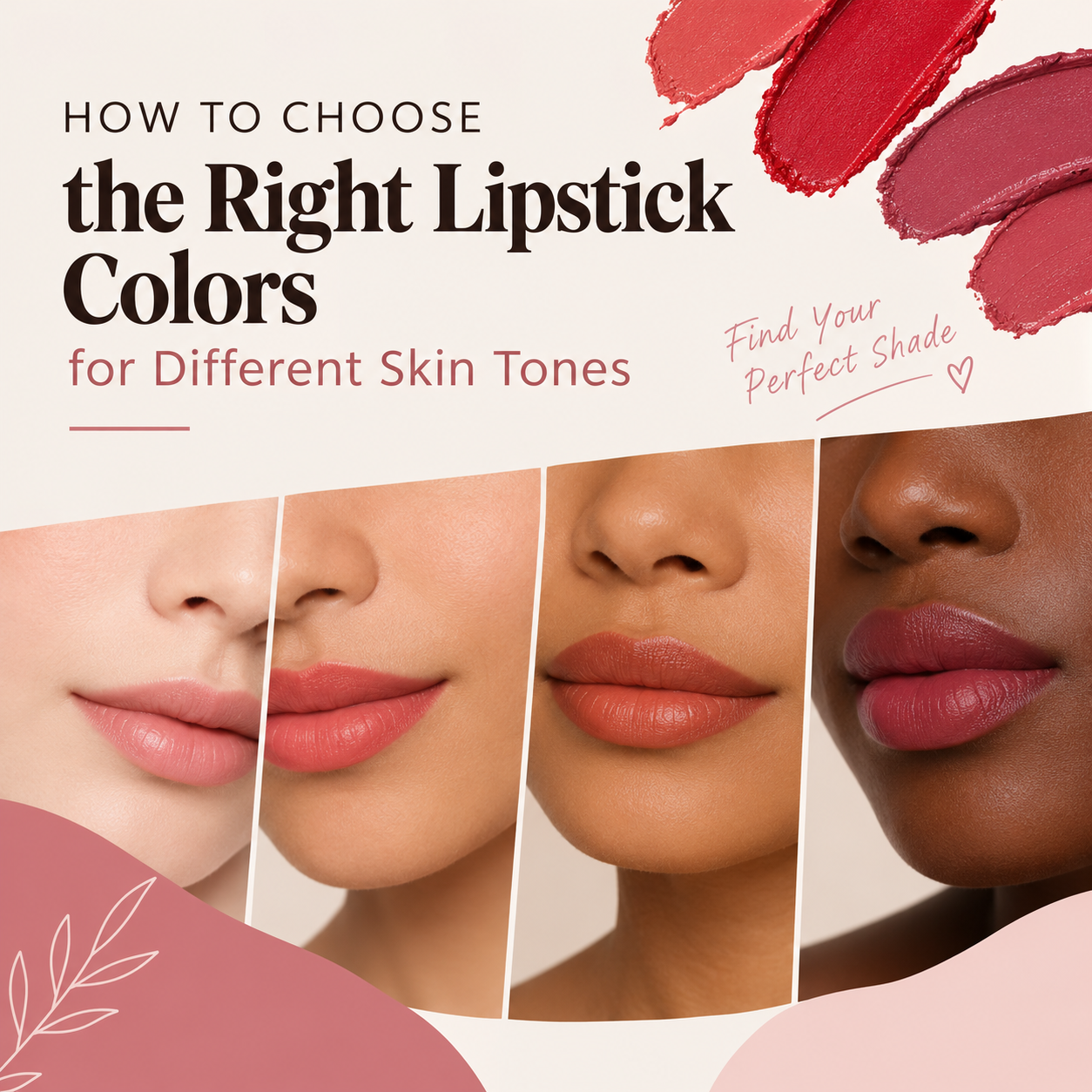
The right lipstick color can transform your makeup look. A soft nude shade can create an effortless everyday style, while a classic red or deep berry lipstick can make a bold statement. However, choosing a flattering lipstick is not simply about following trends. Your skin tone, undertone, personal style, and the occasion all play a role.
For beauty lovers, understanding these factors makes it easier to build a versatile lipstick collection. For beauty retailers and wholesale buyers, offering a balanced range of lipstick shades can help meet the preferences of customers across different markets.
In this guide, we explain how to choose lipstick colors for different skin tones, explore popular shade families, and share practical tips for creating coordinated makeup looks.
1. Understand Your Skin Tone and Undertone
Before choosing a lipstick, it helps to understand the difference between skin tone and undertone.
Skin tone refers to how light or deep your skin appears. Common descriptions include fair, light, medium, tan, deep, and rich.
Undertone refers to the subtle color beneath the surface of your skin. It is commonly described as cool, warm, or neutral.
Cool undertones: Skin may have pink, rosy, or bluish hints.
Warm undertones: Skin may have golden, yellow, or peachy hints.
Neutral undertones: A combination of warm and cool characteristics may be present.
Skin tone and undertone are not the same. Two people with similar skin depth may find that different lipstick shades complement them best.
You do not need to follow rigid rules, either. Personal preference, lighting, clothing, and the rest of your makeup can all influence how a lipstick color looks.
2. Best Lipstick Colors for Fair and Light Skin
Fair and light skin tones can work with a wide range of lipstick colors. The key is choosing the level of contrast and intensity you prefer.
Soft Pink and Rose
Soft pink, dusty rose, and muted rose shades can create a fresh, understated look. These colors work well for everyday makeup, office wear, and casual occasions.
For a natural finish, pair a soft pink lipstick with subtle blush and neutral eyeshadow.
Peach and Coral
Peachy pinks and coral shades can create a brighter, warmer makeup look. They are especially useful when you want a fresh appearance without choosing a very deep lip color.
Warm peach shades may complement warm undertones, while cooler pink shades may suit cool undertones. However, testing the shade in natural light is often more useful than relying on undertone descriptions alone.
Classic Red
Red lipstick can add definition and confidence to a makeup look. Blue-based reds may appeal to people who prefer cooler colors, while warmer reds can create a more vibrant appearance.
For a balanced result, keep the rest of your makeup simple or coordinate the blush and eye makeup with the lipstick's undertone.
3. Best Lipstick Colors for Medium and Tan Skin
Medium and tan skin tones can pair beautifully with both soft everyday shades and richer statement colors.
Rose Brown and Warm Nude
Rose brown, caramel nude, and warm beige shades can create an elegant everyday look. These colors are particularly versatile when their depth provides enough contrast against the natural lip color.
If a nude lipstick looks too pale, try a slightly deeper shade or use a lip liner that complements your natural lip color.
Terracotta and Coral
Terracotta, warm coral, and burnt peach shades can add warmth and dimension. They are useful options for daytime makeup, holidays, and warm-weather beauty looks.
These shades can also pair well with bronze eyeshadow and softly defined cheeks.
Berry and Brick Red
Berry, brick red, and deeper rose shades can create a more defined lip look without always appearing as bold as a bright red.
For evening makeup, combine these colors with a softly blended eye look or a clean eyeliner style.
4. Best Lipstick Colors for Deep and Dark Skin
Deep skin tones can look striking with both vibrant colors and rich, deep shades. Rather than avoiding certain colors, focus on pigmentation, undertone, and the finish you prefer.
Rich Berry and Plum
Berry, plum, and wine-inspired shades can create depth and a sophisticated appearance. They are suitable for evening events, celebrations, and statement makeup.
Depending on the formula, a satin or creamy finish may create a different effect from a matte finish, so consider both color and texture when selecting a product.
Deep Red and Burgundy
Deep red, burgundy, and wine shades can provide a classic, elegant look. They work well for formal occasions, evening makeup, and customers who prefer stronger lip definition.
For a more balanced finish, coordinate the lipstick with a complementary blush and keep the eye makeup as soft or dramatic as desired.
Bright Pink and Orange
Vibrant pink, fuchsia, and orange-based shades can create expressive, high-impact looks. These colors can be particularly appealing for festivals, parties, and creative makeup.
If the lipstick is very bright, a simple eye look can help keep the overall makeup coordinated.
Brown and Chocolate Shades
Chocolate brown, deep caramel, and warm brown-red shades can provide a sophisticated alternative to traditional nude lipstick. They can also work well for everyday makeup when the color depth complements the wearer's natural lip color.
5. How to Choose Lipstick by Undertone
Although skin depth matters, undertone can help narrow down your options.
Cool Undertones
Consider shades such as:
Blue-based red
Rose pink
Berry
Plum
Cool mauve
These colors may complement cooler undertones, but individual preferences and natural lip pigmentation can change the final result.
Warm Undertones
Consider shades such as:
Coral
Peach
Brick red
Terracotta
Warm brown
These colors can create a harmonious warm-toned look, especially when paired with coordinating blush and eyeshadow.
Neutral Undertones
Neutral undertones often provide flexibility across warm and cool shades. Rose, balanced red, pink-brown, and many nude shades may be worth trying.
Rather than restricting yourself to one category, experiment with several colors and compare how they look in natural lighting.
6. Choose the Right Lipstick Finish
Color is only one part of choosing a lipstick. The finish can change how the shade looks and feels.
Matte Lipstick
Matte lipstick creates a low-shine finish and can deliver a defined, polished appearance. Depending on the formula, it may offer strong color payoff.
For a smoother application, gently exfoliate the lips when appropriate and apply lip balm beforehand. Remove excess balm before applying lipstick if the formula requires a dry surface.
Cream and Satin Lipstick
Cream and satin finishes provide more visible sheen than traditional matte formulas. They can create a softer appearance and are popular for everyday makeup.
These finishes may be a good option for people who prefer a comfortable-looking lip with some natural shine.
Glossy Lip Products
Glossy lip products create shine and can make the lips appear fuller. They work well alone or layered over lipstick, depending on the formula.
For a simple everyday look, try a nude or pink gloss. For evening makeup, a deeper lip color with a glossy finish can create a more noticeable effect.
Lipstick Palettes
Lipstick palettes offer several shades in one product, making them useful for experimenting with colors and creating customized combinations.
A multi-shade palette may be especially practical for makeup artists, beauty retailers, and wholesale buyers who want to offer variety in a compact format.
Explore the HEREIAM 20-Color Lipstick Palette for a multi-shade option that can support different lip color preferences.
You can also browse the HEREIAM Lip Makeup Collection to explore more lip makeup options.
7. How to Match Lipstick with the Rest of Your Makeup
A lipstick color can look very different depending on your eye makeup, blush, and overall complexion.
For Everyday Makeup
Choose a lipstick that complements your natural lip color and works well with your usual makeup routine. Soft pink, rose brown, peach, and balanced nude shades are useful starting points.
Pair them with subtle blush and neutral eyeshadow for an easy, coordinated look.
For Bold Eye Makeup
If you are wearing smoky eyeshadow, graphic eyeliner, or dramatic false eyelashes, consider whether you want the lips to be understated or equally bold.
A muted nude or rose shade can balance dramatic eye makeup. Alternatively, a coordinated red lip can create a more striking overall look.
For Special Occasions
For weddings, parties, and evening events, deeper reds, berry shades, and richer pinks can add definition.
Consider the lighting and photography environment when selecting a shade. If possible, test the complete makeup look before the event rather than evaluating lipstick on its own.
For Hot and Humid Weather
In hot and humid climates, comfort and wear time are important considerations. Choose a lipstick formula that suits your needs and follow the product's application instructions.
Applying a thin, even layer and avoiding unnecessary layering can help create a more comfortable finish. Carrying your lipstick for touch-ups is also practical when spending long periods outdoors.
8. Common Lipstick Selection Mistakes to Avoid
Choosing a lipstick becomes easier when you understand a few common mistakes.
Choosing a nude shade that is too light: A very pale nude may create an unbalanced look for some people. Try a shade closer to your natural lip color or choose a slightly deeper nude.
Following trends without considering personal preference: A popular shade is not automatically the best choice for everyone. Choose colors that make you feel comfortable and confident.
Ignoring natural lip pigmentation: The same lipstick may appear different on different people. Whenever possible, test the color on your own lips rather than judging it only from product photos.
Choosing color without considering finish: A matte, satin, and glossy version of a similar shade can create very different effects. Think about the finish you want as well as the color.
Applying lipstick to dry lips without preparation: Some formulas may emphasize dry patches. Prepare your lips according to the product instructions and keep them moisturized as part of your regular routine.
Relying only on online swatches: Screens, lighting, and photography can affect how lipstick colors appear. Use product swatches as a guide, not a guarantee of the exact result.
9. What Should Beauty Retailers and Wholesale Buyers Consider?
For beauty businesses, a well-planned lipstick assortment should reflect the preferences of the target market rather than focusing on a single popular shade family.
Consider including:
Everyday nude and pink shades.
Warm coral and peach colors.
Classic red and brick-red shades.
Berry, plum, and burgundy options.
Brown and deeper nude shades.
Different finishes, such as matte, satin, and glossy.
Multi-shade palettes for customers who prefer color variety.
For markets serving customers with diverse skin tones, a thoughtful range of color depths and undertones can help more shoppers find suitable options.
Product descriptions should clearly explain shade names, finishes, available colors, packaging, and intended use. When evaluating suppliers, wholesale buyers should also review product specifications, minimum order quantities, packaging options, and available customization services.
HEREIAM Cosmetics provides IMAGIC brand stock products for wholesale buyers as well as ODM/OEM customization options. Beauty businesses can explore ready-to-order makeup products while considering customized shades, packaging, and other requirements for their target markets.
Final Thoughts
The best lipstick color is one that complements your skin tone, suits your preferred makeup style, and makes you feel confident.
Soft pinks and nudes can be useful for everyday wear, coral and terracotta shades can add warmth, and berry, burgundy, and deep reds can create a more dramatic look. Experimenting with different undertones and finishes is often the easiest way to discover your personal favorites.
Whether you are building a personal lipstick collection or sourcing products for a beauty business, choosing a versatile range of colors can make it easier to create makeup looks for different customers and occasions.
Explore the HEREIAM Cosmetics website to discover lip makeup and other beauty products for personal use, wholesale purchasing, and customization opportunities.
Table of Contents
- 1. Understand Your Skin Tone and Undertone
- 2. Best Lipstick Colors for Fair and Light Skin
- 3. Best Lipstick Colors for Medium and Tan Skin
- 4. Best Lipstick Colors for Deep and Dark Skin
- 5. How to Choose Lipstick by Undertone
- 6. Choose the Right Lipstick Finish
- 7. How to Match Lipstick with the Rest of Your Makeup
- 8. Common Lipstick Selection Mistakes to Avoid
- 9. What Should Beauty Retailers and Wholesale Buyers Consider?
- Final Thoughts