EN
Why Does Choosing the Right Blush Matter?
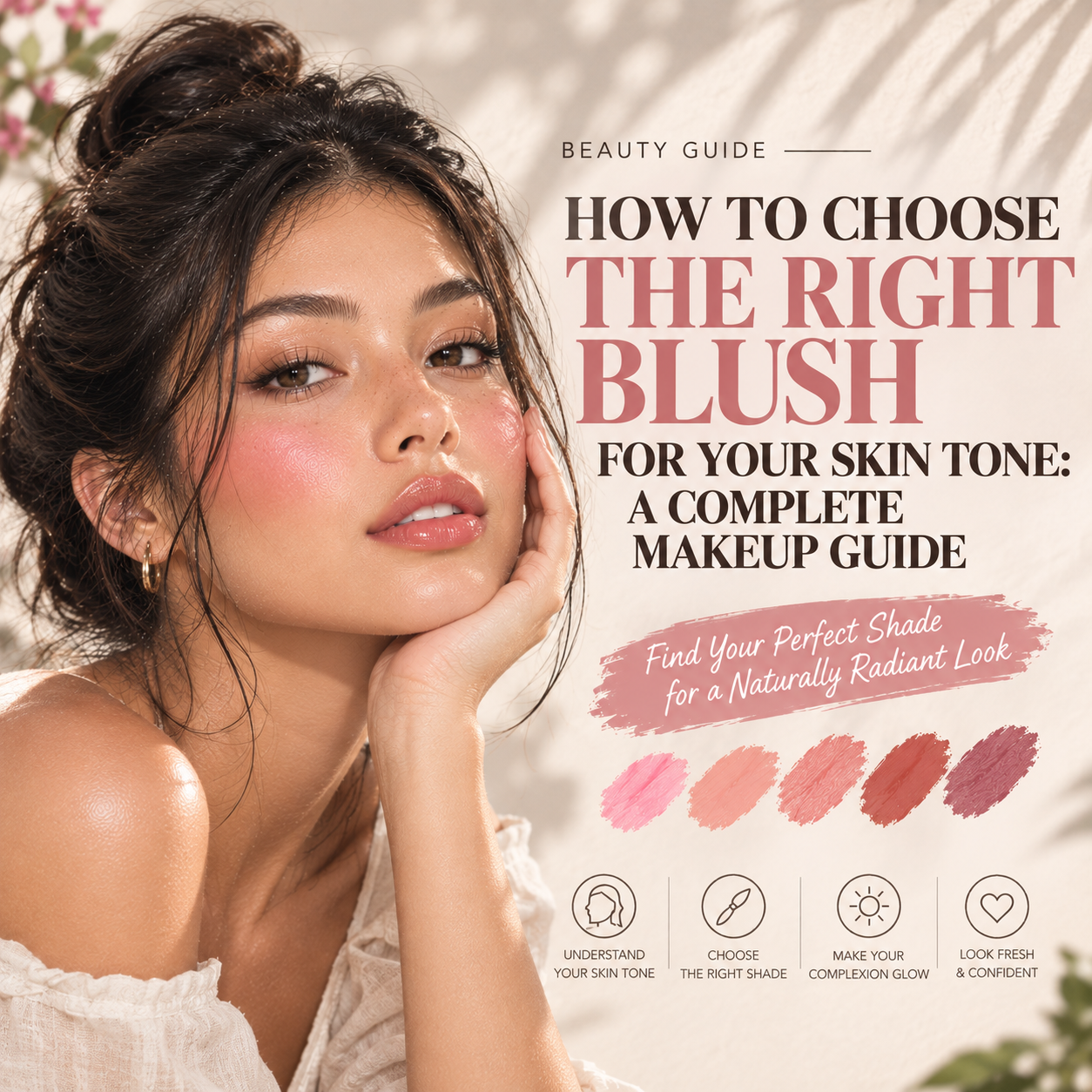
Blush is more than a finishing touch. The right shade can add warmth, brighten your complexion and bring balance to your overall makeup look. The wrong shade, however, may appear too pale, too intense or difficult to blend naturally.
Choosing blush is not simply about matching a product to your skin color. You should also consider your undertone, the finish you prefer and the makeup look you want to create.
For beauty lovers, understanding these factors makes it easier to experiment with different colors. For retailers and wholesale buyers, it also helps when selecting blush palettes and complementary color cosmetics for customers with different preferences.
1. Understand Your Skin Tone and Undertone
Before choosing a blush shade, it helps to understand two basic concepts.
Skin tone describes the depth of your complexion. It is often grouped into fair, light, medium, tan and deep.
Undertone refers to the subtle color beneath the surface of your skin. Common categories include warm, cool and neutral, although some people have olive undertones.
Here is a simple starting point:
Warm undertones: Peach, golden or yellow hues may be noticeable.
Cool undertones: Pink, rosy or bluish hues may be more noticeable.
Neutral undertones: Warm and cool hues appear more balanced.
Olive undertones: A subtle greenish or golden-gray quality may be present.
These are only general guides. Jewelry tests and vein color are not definitive ways to identify undertones, so check makeup shades in natural daylight whenever possible.
For more guidance, read Maybelline's beauty guide: What Blush Color Is Right for Your Skin Tone?.
2. Best Blush Shades for Fair and Light Skin
Fair and light complexions can work beautifully with soft, buildable blush shades. The goal is to add color without overwhelming the natural complexion.
Recommended colors
Soft pink: Creates a fresh, delicate flush.
Peach: Adds warmth and works well for natural everyday makeup.
Light coral: Brings brightness to a simple makeup look.
Muted rose: Offers a more understated option for polished occasions.
If your undertone is cool, try cool pinks or rosy shades. If your undertone is warm, peach and warm coral may be worth exploring. Neutral undertones can experiment with both families.
Application tip: Start with a small amount of blush and blend the edges carefully. Build the color gradually until it reaches your preferred intensity.
3. Best Blush Shades for Medium and Tan Skin
Medium and tan complexions can work with a wide range of blush colors, from soft pinks to richer coral and rose tones.
Recommended colors
Warm peach: Adds a natural-looking warmth.
Coral: Creates a brighter, more energetic finish.
Rose pink: Offers a versatile option for everyday wear.
Mauve: Can create a more sophisticated, understated look.
Terracotta: Adds earthy warmth and dimension.
If your complexion has golden or olive undertones, peach, terracotta and balanced rose shades are useful starting points. For cooler undertones, rosy pink and mauve may provide a harmonious contrast.
The best shade also depends on the desired result. A sheer application can create a soft daytime look, while a more saturated color can make the cheeks stand out for evening makeup.
4. Best Blush Shades for Deep Skin
Deep complexions can look striking with both subtle and highly saturated blush colors. The key is to select a shade that provides the desired color payoff and blends smoothly into the complexion.
Recommended colors
Berry: Adds rich color with a sophisticated finish.
Deep rose: Creates a balanced, defined flush.
Brick red: Brings warmth and depth.
Burnt orange: Creates a bold, warm-toned effect.
Plum: Offers a deeper option for evening or statement makeup.
Very pale blush shades may appear less visible or look ashy on some deeper complexions, depending on the formula and undertone. This does not mean lighter colors are off-limits. Instead, test the shade on the cheeks and check how it looks after blending.
For wholesale buyers serving diverse markets, offering a selection of deeper, richer colors alongside lighter shades can help customers find more suitable options.
5. How to Choose Blush by Undertone
Skin depth helps determine how light or intense a shade may appear. Undertone can help you decide which color family to try first.
| Undertone | Blush colors to try | Desired effect |
|---|---|---|
| Warm | Peach, coral, terracotta | Warm and sun-kissed |
| Cool | Cool pink, rose, berry, mauve | Rosy and fresh |
| Neutral | Rose, peach-pink, soft mauve | Balanced and versatile |
| Olive | Peach, terracotta, muted rose | Warmth and dimension |
These suggestions are starting points rather than strict rules. Blush color can look different depending on pigmentation, lighting, skin depth and the products layered underneath.
If you are unsure, compare two or three shades on your cheeks in natural daylight instead of relying only on how they look in the palette.
6. Powder, Cream or Liquid Blush: Which Should You Choose?
The formula affects both the application experience and the final appearance. Consider your skin preferences and the other products in your routine.
Powder blush
Powder blush is a practical choice for people who prefer a soft, diffused finish or want to apply blush over set foundation. It is also convenient for quick touch-ups.
Cream blush
Cream blush can create a fresh, skin-like appearance. It is often popular with people who prefer a more dewy finish, although the result depends on the specific formula.
Liquid blush
Liquid blush can deliver a sheer wash of color or a more noticeable flush, depending on its pigmentation and how much you apply. Start with a small amount because some formulas spread and intensify quickly.
There is no single formula that works best for everyone. The most suitable option depends on skin type, preferred finish, application technique and the rest of the makeup routine.
For customers who want a convenient way to explore multiple colors, the HEREIAM 6-Color Touch Blush Palette offers several shades in one product.
7. How to Apply Blush for Different Makeup Looks
Once you have selected a suitable shade, placement can change the overall effect.
For everyday makeup: Apply a small amount to the cheeks and blend the edges until the color looks natural.
For a lifted appearance: Blend the blush slightly upward toward the cheekbones rather than concentrating all the color in the center of the cheeks.
For a sun-kissed look: Apply a light wash across the cheeks and blend carefully. Keep the color balanced with the rest of your makeup.
For evening makeup: Build the intensity gradually and coordinate the blush with your eye and lip colors.
Always start with less product than you think you need. It is easier to add color than to remove too much without disturbing your foundation.
8. Coordinate Blush with Eyeshadow and Lip Color
Blush does not need to match your eyeshadow and lipstick exactly. Instead, think about how the colors work together.
Soft pink blush
Pair it with neutral eyeshadow and rose or pink lip color for a fresh, everyday look.
Peach or coral blush
Combine it with warm brown eyeshadow and peachy or coral lips for a coordinated, warm-toned makeup style.
Berry or plum blush
Try deeper rose, plum or brown eyeshadow with complementary berry or mauve lip colors for a more defined evening look.
Terracotta blush
Pair it with bronze, warm brown or gold-toned eyeshadow and nude-brown or warm red lip colors.
To explore more color combinations, browse the HEREIAM Eyeshadow Collection and HEREIAM Lip Makeup Collection.
For makeup users who enjoy experimenting with several colors in one product, the HEREIAM 79-Color Elegant Makeup Palette is another option to explore.
9. Common Blush Mistakes to Avoid
A good blush shade can still look different from what you expected if it is applied incorrectly. Keep these tips in mind:
Choosing by the pan color alone: Test the shade on your skin and observe how it looks when blended.
Applying too much at once: Build intensity gradually to avoid harsh patches.
Ignoring undertones: Consider both skin depth and undertone, but do not treat color rules as absolute.
Using the wrong placement for your desired look: Small changes in placement can make a noticeable difference.
Forgetting the rest of your makeup: Coordinate blush with eyeshadow, lipstick and your overall style.
Ignoring lighting: Check your finished makeup in natural daylight when possible.
The best blush is not necessarily the trendiest shade. It is the one that suits your preferences, works with your makeup routine and makes you feel confident.
10. A Blush Selection Guide for Wholesale Buyers
For beauty retailers, distributors and wholesale buyers, blush selection is an opportunity to serve a wider range of customers.
Rather than focusing on one popular shade, consider creating a balanced assortment:
Everyday colors: Soft pink, peach and muted rose.
Warm colors: Coral, terracotta and warm peach.
Deeper colors: Berry, plum and brick red.
Multi-shade products: Palettes that offer several colors in one product.
Complementary categories: Eyeshadow, lip products and face makeup that help customers create coordinated looks.
The right product mix depends on the target market, price positioning, customer preferences and local beauty trends. A retailer serving a diverse customer base may benefit from offering several color families and finishes rather than relying on a narrow selection.
HEREIAM Cosmetics provides IMAGIC brand stock products for wholesale buyers and also supports ODM/OEM customization. Businesses can explore existing products or discuss customized options based on their market needs.
Visit HEREIAM Cosmetics to explore the available makeup range.
Final Thoughts
Choosing the right blush starts with understanding your skin tone, considering your undertone and deciding what kind of finish you want. Soft pinks and peaches can create a fresh everyday look, while coral, terracotta, berry and plum shades offer more ways to add warmth, depth or definition.
There are no absolute rules in makeup. Test different colors, experiment with placement and coordinate blush with your favorite eyeshadow and lip products.
For consumers, this approach makes it easier to create looks that suit different occasions. For wholesale buyers, a thoughtfully selected range of blushes and complementary cosmetics can help meet a wider variety of customer needs.
Table of Contents
- Why Does Choosing the Right Blush Matter?
- 1. Understand Your Skin Tone and Undertone
- 2. Best Blush Shades for Fair and Light Skin
- 3. Best Blush Shades for Medium and Tan Skin
- 4. Best Blush Shades for Deep Skin
- 5. How to Choose Blush by Undertone
- 6. Powder, Cream or Liquid Blush: Which Should You Choose?
- 7. How to Apply Blush for Different Makeup Looks
- 8. Coordinate Blush with Eyeshadow and Lip Color
- 9. Common Blush Mistakes to Avoid
- 10. A Blush Selection Guide for Wholesale Buyers
- Final Thoughts