EN
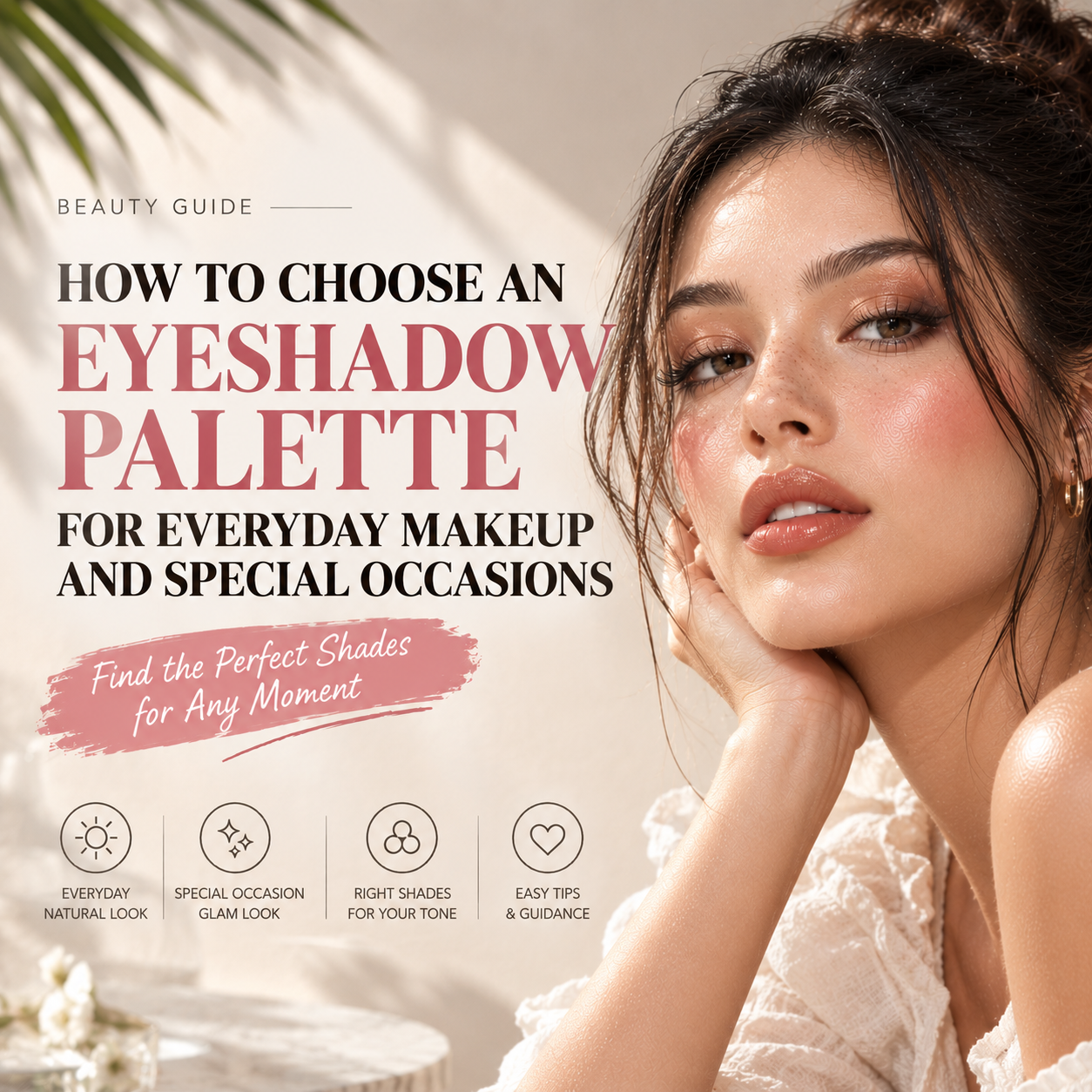
Why Choosing the Right Eyeshadow Palette Matters
An eyeshadow palette can help you create a wide range of makeup looks, from soft everyday definition to bold party makeup. However, a palette with many colors is not always the most practical choice. The best option is one that fits your makeup habits, includes shades you enjoy wearing and offers enough variety for different occasions.
For everyday makeup, neutral shades are often easy to coordinate with different outfits and lip colors. For parties, weddings, holidays and evening events, shimmer, metallic and colorful shades can add more dimension and personality.
For beauty retailers and wholesale buyers, understanding these differences can also help when selecting eyeshadow palettes for different customer groups and markets.
1. Choose an Eyeshadow Palette Based on Your Makeup Style
Before comparing colors or palette sizes, consider how you usually wear makeup.
For Minimal Everyday Makeup
If you prefer a natural look, start with beige, taupe, soft brown, peach or muted rose shades. These colors can help define the eyes without creating an overly dramatic effect.
A practical everyday palette usually includes:
A light shade for the base or inner corner.
A medium shade for adding depth.
A deeper shade for the outer corner or lash line.
A satin or shimmer shade for a subtle highlight.
You do not need dozens of colors to create a polished everyday look. A smaller palette with useful shades may be more practical if you prefer a quick routine.
For Glamorous or Statement Makeup
If you enjoy experimenting with makeup, consider palettes that include richer browns, golds, bronzes, burgundy, plum or brighter accent colors.
These shades can be used to create smoky eyes, metallic looks and more dramatic evening makeup.
For festive occasions, a combination of matte and reflective finishes can make an eye look more dimensional without requiring a completely separate palette.
2. Understand Matte, Shimmer, Satin and Glitter Finishes
Color is only one factor when choosing eyeshadow. Finish affects how the color reflects light and how the final look appears.
Matte Eyeshadow
Matte eyeshadows have little to no visible shine. They are useful for creating soft transitions, adding depth to the crease and defining the outer corners of the eyes.
They are also practical for understated daytime looks and more structured smoky eyes.
Shimmer Eyeshadow
Shimmer shades reflect light and can make the eyelids look brighter. They work well on the center of the eyelid or as an accent for evening makeup.
Satin Eyeshadow
Satin finishes offer a subtle sheen between matte and stronger shimmer effects. They can be a versatile choice for people who want a little brightness without a highly reflective finish.
Glitter or Metallic Effects
Glitter and metallic shades can add a more noticeable sparkle or reflective effect, making them useful for parties, festivals and creative makeup.
When using glitter products around the eyes, follow the product's intended-use instructions and avoid getting loose particles into the eyes.
For a versatile palette, look for a combination of finishes that suits your routine rather than choosing based on sparkle alone.
For more inspiration, Vogue's eyeshadow palette guide discusses shade variety, finishes and choosing palettes for different makeup preferences.
3. How to Choose Eyeshadow Colors for Different Skin Tones
There are no strict rules about which eyeshadow colors a person can wear. However, skin depth and undertone can help you decide which colors to try first.
Fair and Light Skin
Soft beige, taupe, dusty rose, champagne and light brown can create a natural look. For more definition, deeper brown or plum shades can add contrast.
If you prefer a subtle finish, use shimmer sparingly and blend the edges carefully.
Medium and Tan Skin
Warm brown, bronze, copper, rose, mauve and gold are useful starting points. These shades can create anything from soft daytime definition to richer evening makeup.
Depending on your undertone, you can also experiment with olive, plum or cool taupe shades.
Deep Skin
Deep brown, bronze, copper, burgundy, plum, gold and jewel tones can create beautiful contrast and dimension.
When choosing lighter shades, check how the color appears after blending rather than judging it only from the palette. Pigmentation and finish can affect the final result.
Choosing Colors for Different Undertones
Warm undertones: Try warm browns, bronze, copper, peach and gold.
Cool undertones: Explore taupe, mauve, plum, cool brown and silver-toned shimmer.
Neutral undertones: Experiment with both warm and cool color families.
Olive undertones: Consider bronze, olive, muted gold, brown and balanced rose shades.
These are suggestions, not limitations. Personal style and the occasion matter just as much as undertone.
4. Create an Everyday Eye Look in Four Simple Steps
A natural eye makeup look does not need to be complicated.
Step 1: Apply a base shade. Choose a light matte or satin shade that blends comfortably with the rest of your makeup.
Step 2: Add a transition shade. Apply a medium color to the crease or just above it, blending softly to avoid harsh edges.
Step 3: Build definition. Use a deeper shade at the outer corner or close to the lash line.
Step 4: Add a little brightness. Apply a subtle shimmer to the center of the eyelid or inner corner if desired.
Keep the color intensity balanced with your overall look. For work, school or everyday outings, softer blending often creates a more understated result.
For more beginner-friendly techniques, see Maybelline's guide to applying eyeshadow for beginners.
5. Turn Your Daytime Makeup into an Evening Look
One useful eyeshadow palette can often serve more than one purpose.
To transition from daytime makeup to a party or dinner look:
Deepen the outer corners with a darker shade.
Add bronze, gold or shimmer to the eyelids.
Blend a deeper color along the lash line for more definition.
Pair the eye look with a stronger lip color if desired.
You do not have to use every shade in a palette. Two or three well-chosen colors can create a more coordinated result than applying many shades without a clear plan.
For retailers, palettes that combine wearable neutrals with a few more expressive colors may appeal to customers who want versatility from a single product.
6. Coordinate Eyeshadow with Eyeliner, Mascara and Lip Color
Eyeshadow works best as part of a complete makeup look rather than as an isolated product.
For a Natural Look
Pair soft brown or beige eyeshadow with a fine eyeliner line, mascara and a nude or pink lip color.
For a Warm, Glowing Look
Combine bronze or peach-brown eyeshadow with defined lashes, warm blush and peachy lip makeup.
For a Smoky Eye
Use deeper brown, charcoal or plum shades, blend the edges carefully and keep the rest of the makeup balanced.
For Colorful Party Makeup
Try a colorful eyeshadow accent with a complementary blush and lip shade. If the eye makeup is especially bold, a softer lip color can help maintain balance.
Explore the HEREIAM Eyeshadow Collection, Lip Makeup Collection and Face Makeup Collection for more ways to coordinate different makeup categories.
7. Explore Multi-Color Palettes for More Creative Looks
Some makeup users prefer a compact palette with only a few essential shades. Others enjoy having a wider selection for creative looks, seasonal trends and special occasions.
A multi-color palette can be useful for experimenting with different combinations, particularly for makeup enthusiasts, makeup artists and beauty creators.
The HEREIAM 79-Color Elegant Makeup Palette is one option for customers who enjoy a broader color selection. According to the product information, it combines eyeshadow with lip colors and selected face makeup shades in a three-layer magnetic design.
For customers who prefer coordinating cheek and lip colors separately, the HEREIAM 6-Color Touch Blush Palette and 20-Color Lipstick Palette offer additional options to explore.
When selecting a multi-color palette, consider whether the shade range matches your actual makeup habits. More colors can create more possibilities, but the most useful palette is one you will enjoy using.
8. How to Choose an Eyeshadow Palette for Hot and Humid Weather
In hot and humid climates, sweat, skin oils and long hours of wear can affect how eye makeup looks throughout the day.
To help your eye makeup look more consistent:
Start with clean, dry eyelids.
Use an eye primer if it suits your skin and makeup routine.
Apply eyeshadow in thin layers rather than building too much product at once.
Blend each shade before adding more color.
Choose eyeliner and mascara according to your desired wear and removal preferences.
Carry a small mirror for touch-ups when needed.
Product performance varies by formula, skin type and environmental conditions. Do not assume every eyeshadow, eyeliner or mascara is waterproof or transfer-resistant; check individual product specifications.
These practical considerations can be especially relevant for consumers in Southeast Asia, the Middle East and African regions with warm climates.
9. Common Eyeshadow Palette Buying Mistakes
Before buying a palette, avoid these common mistakes:
Choosing only by the number of shades: A large palette is not automatically more useful than a smaller one. Consider whether the colors work together and suit your routine.
Ignoring finish variety: A palette containing only one finish may limit the range of looks you can create.
Buying colors you rarely wear: Trend-driven shades can be fun, but make sure the palette also includes colors you will use regularly.
Forgetting the rest of your makeup: Think about how the eyeshadow will coordinate with your eyeliner, mascara, blush and lip products.
Expecting every formula to perform the same way: Pigmentation, blendability, fallout and wear time can vary between products. Review product specifications and test when possible.
10. An Eyeshadow Product Strategy for Wholesale Buyers
For beauty retailers, distributors and wholesale buyers, a well-planned eyeshadow assortment can serve customers with different styles and budgets.
Consider offering several types of products:
Everyday neutral palettes: Beige, taupe and brown shades for daily wear.
Warm-toned palettes: Peach, bronze, copper and gold for warm makeup looks.
Colorful palettes: Bright shades for creative makeup and younger trend-focused audiences.
Shimmer and metallic options: Products suited to parties, celebrations and evening makeup.
Multi-purpose palettes: Products that combine eyeshadow with selected lip or face colors.
The right assortment depends on your target country, customer age range, price positioning and local makeup preferences. Retailers may benefit from balancing easy-to-use everyday products with more expressive options for special occasions.
HEREIAM Cosmetics provides IMAGIC brand stock products for wholesale buyers and also supports ODM/OEM customization. Businesses can explore existing makeup products or discuss customized product development based on their market needs.
Visit HEREIAM Cosmetics to explore the available product range.
Final Thoughts
The best eyeshadow palette is not necessarily the biggest or most colorful one. It is the palette that fits your style, includes useful shades and helps you create the looks you want for everyday wear and special occasions.
Start with versatile colors, learn how different finishes work and build your eye makeup gradually. Then experiment with deeper shades, shimmer and brighter colors when you want a more expressive look.
For wholesale buyers, offering a thoughtful mix of neutral, colorful and multi-purpose palettes can help meet a wider range of customer needs while creating more opportunities to cross-sell complementary makeup products.
Table of Contents
- Why Choosing the Right Eyeshadow Palette Matters
- 1. Choose an Eyeshadow Palette Based on Your Makeup Style
- 2. Understand Matte, Shimmer, Satin and Glitter Finishes
- 3. How to Choose Eyeshadow Colors for Different Skin Tones
- 4. Create an Everyday Eye Look in Four Simple Steps
- 5. Turn Your Daytime Makeup into an Evening Look
- 6. Coordinate Eyeshadow with Eyeliner, Mascara and Lip Color
- 7. Explore Multi-Color Palettes for More Creative Looks
- 8. How to Choose an Eyeshadow Palette for Hot and Humid Weather
- 9. Common Eyeshadow Palette Buying Mistakes
- 10. An Eyeshadow Product Strategy for Wholesale Buyers
- Final Thoughts